The Hidden Dangers of Mold in Line Lexington: Long-Term Effects on Your Family
Mold isn’t just an unsightly nuisance—it’s a silent threat lurking in Line Lexington homes, often hidden behind walls or beneath floors. Left unchecked, it can trigger chronic health issues for your family, from respiratory distress to long-term immune system damage. We’ve seen firsthand how quickly mold spreads in our humid Pennsylvania climate, especially after heavy rains or basement flooding.
Why Mold Thrives in Line Lexington Homes
Our region’s humid summers and wet springs create the perfect breeding ground for mold. Poor ventilation in basements, attics, or crawl spaces—common in older homes around Chalfont, Colmar, and Hatfield—accelerates growth.
Leaky roofs, condensation in HVAC systems, or even minor plumbing issues in Souderton or Doylestown can introduce moisture. Once mold takes hold in porous materials like drywall or insulation, it spreads rapidly if humidity stays above 60%.
Neighborhoods like Brittany Farms-The Highlands or New Britain often face these issues due to aging infrastructure and dense tree cover, which traps moisture near foundations.
The Most Dangerous Mold Types in Pennsylvania
Stachybotrys chartarum—often called ‘black mold’—is the most notorious. It releases mycotoxins that can cause severe respiratory issues, headaches, and even neurological symptoms with prolonged exposure.
Aspergillus and Penicillium are also common here. These molds trigger allergies, asthma attacks, and chronic sinusitis, especially in children or those with weakened immune systems.
Less known but equally harmful, Chaetomium thrives in water-damaged wood or drywall. It’s often found in flood-prone areas like Montgomeryville or Silverdale after heavy storms.
| Mold Type | Typical Locations | Health Risks |
|---|---|---|
| Stachybotrys (Black Mold) | Damp drywall, insulation, basements | Respiratory distress, mycotoxin poisoning, neurological symptoms |
| Aspergillus | HVAC systems, carpets, wallpaper | Allergies, asthma, lung infections |
| Penicillium | Water-damaged furniture, mattresses, ductwork | Sinusitis, chronic cough, immune suppression |
| Chaetomium | Wood, drywall, crawl spaces | Skin/nail infections, respiratory inflammation |
| Cladosporium | Carpets, upholstery, bathrooms | Allergic reactions, eye/skin irritation |
Long-Term Health Effects of Mold Exposure
Chronic exposure doesn’t just cause temporary discomfort. Over time, mold spores can lead to permanent lung damage, especially in children whose respiratory systems are still developing.
Mycotoxins from black mold may suppress the immune system, leaving your family more vulnerable to infections. Some studies link long-term exposure to cognitive decline and mood disorders.
In Line Lexington and surrounding areas like Lansdale or North Wales, we’ve seen cases where families suffered for years before identifying mold as the root cause of their health struggles.
Persistent coughing, unexplained fatigue, or recurring headaches could signal mold exposure. If symptoms improve when away from home, mold may be the culprit.
Where Mold Hides in Your Home
Basements and crawl spaces are prime targets, especially in older homes in Blooming Glen or Telford. Poor drainage or cracked foundations let water seep in, feeding mold colonies.
Attics often harbor mold due to roof leaks or improper ventilation. We’ve found extensive growth in Dublin and Sellersville homes where insulation traps moisture against the roof deck.
HVAC systems can distribute mold spores throughout your home. If your system in Perkasie or Kulpsville hasn’t been inspected, it might be circulating contaminants.
How Mold Spreads Beyond the Visible Areas
Mold isn’t just a surface problem. Spores travel through air ducts, hitching rides on dust particles. In Plumsteadville or Spring House, we’ve traced outbreaks to contaminated HVAC filters.
Porous materials like drywall, carpet padding, and ceiling tiles absorb moisture and spores. Once embedded, mold can’t be wiped away—it requires professional remediation.
Even cleaning mold with bleach can backfire. Bleach doesn’t penetrate porous surfaces, and the moisture it leaves behind can fuel regrowth.
If you see mold, don’t disturb it. Agitating colonies releases spores into the air. Isolate the area and call professionals immediately.
Mold vs. Mildew: Know the Difference
Mildew is a surface fungus that’s easier to treat—it appears as white or gray powdery patches, often on shower walls or windowsills. Mold, however, penetrates materials and can be black, green, or even pink.
Mildew smells musty but isn’t as harmful as mold. Mold odors are stronger and often described as earthy or rotten. In Harleysville or Maple Glen, we’ve seen homeowners mistake mildew for mold, delaying critical remediation.
While mildew can be cleaned with household products, mold almost always requires professional intervention, especially in large or hidden infestations.
When to Call a Professional for Mold Remediation
If mold covers more than 10 square feet, or if it’s in your HVAC system, it’s time to call experts. DIY attempts often miss hidden growth in walls or under flooring.
Water damage from flooding—common in areas like Horsham or Ambler after storms—requires immediate attention. Mold can start growing within 24-48 hours of water intrusion.
If anyone in your household experiences unexplained health issues, a professional mold inspection and air quality test can confirm whether mold is the cause.
Preventing Mold Before It Starts
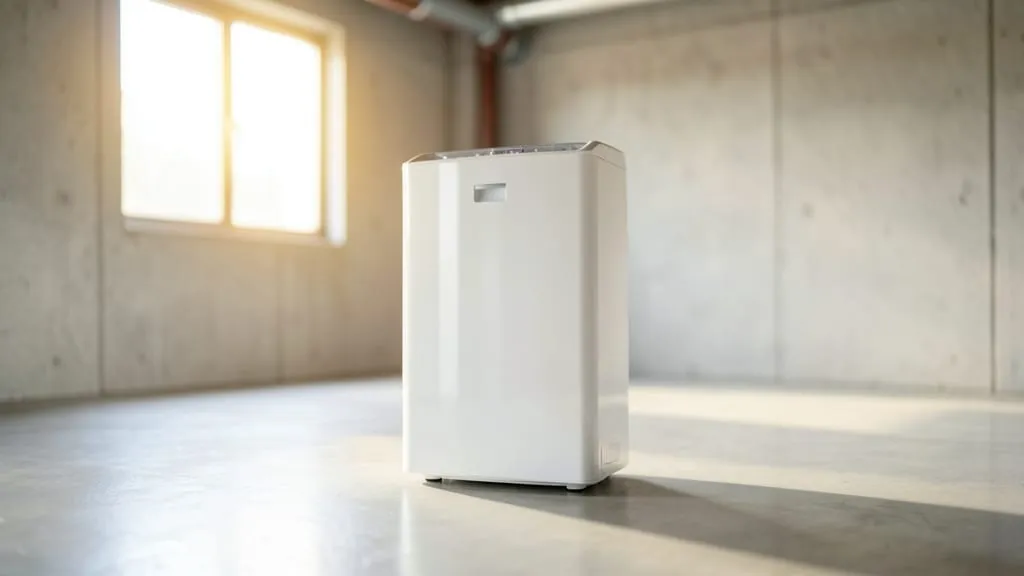
Controlling moisture is key. Use dehumidifiers in basements and crawl spaces, especially in humid months. Aim for humidity levels between 30-50%.
Ensure proper ventilation in bathrooms, kitchens, and laundry rooms. Exhaust fans should vent outside, not into attics—a common mistake in Skippack or Ivyland homes.
Regularly inspect roofs, gutters, and downspouts. Clogged gutters can cause water to pool near foundations, leading to basement mold. This is a frequent issue in Blue Bell or Hatboro.
Mold Prevention Checklist
- Install dehumidifiers in basements and crawl spaces
- Use exhaust fans in high-moisture areas
- Inspect roofs and gutters bi-annually
- Seal cracks in foundations and walls
- Replace water-damaged carpets or drywall immediately
- Schedule annual HVAC inspections and cleanings
- Monitor indoor humidity with a hygrometer
How to Inspect Your Home for Hidden Mold
Early detection can save your family from long-term health risks and costly remediation.
- 1Check for Musty Odors
Mold often has a distinct earthy or musty smell. Pay attention to areas like basements, attics, or behind furniture. If the odor is stronger in certain rooms, mold may be nearby.
- 2Look for Visible Signs
Inspect walls, ceilings, and floors for discoloration or staining. Mold can appear as black, green, white, or even pink patches. Don’t ignore water stains—they often indicate past or current mold growth.
- 3Examine High-Risk Areas
Focus on spaces prone to moisture: under sinks, around windows, in bathrooms, and near appliances like washing machines. In Line Lexington, basements and crawl spaces are high-priority zones.
- 4Use a Flashlight
Shine a light at different angles to spot mold in less visible areas, such as behind toilets, under carpets, or inside ductwork. Mold can hide in the smallest crevices.
- 5Monitor for Health Symptoms
Track if family members experience allergies, respiratory issues, or fatigue that improves when away from home. Unexplained health problems can be a red flag for hidden mold.
- 6Call for Professional Testing
If you suspect mold but can’t find it, a professional mold inspection and air quality test can detect hidden spores. This is especially important in older homes or after water damage.
Frequently Asked Questions
How quickly can mold grow in my Line Lexington home after water damage?
Mold can begin growing within 24-48 hours of water exposure, especially in our humid Pennsylvania climate. The faster you address water damage, the lower your risk of a full-blown infestation. Request a quote for emergency water damage restoration if needed.
Can mold in my basement affect the air quality upstairs?
Absolutely. Mold spores are airborne and can travel through your home’s HVAC system or simply rise through open spaces. Basement mold in Line Lexington or nearby areas like Chalfont can significantly degrade indoor air quality on all levels.
Is black mold more dangerous than other types?
Yes, Stachybotrys (black mold) produces mycotoxins that pose serious health risks, including respiratory issues and neurological symptoms. However, all mold types can harm your health, especially with prolonged exposure. Professional remediation is critical for any large or toxic mold infestation.
Will bleach kill mold on my walls?
Bleach can kill surface mold on non-porous materials like glass or tile, but it’s ineffective on porous surfaces like drywall or wood. The moisture from bleach can also seep into these materials, promoting further mold growth. For wall mold, professional remediation is safer and more effective.
Can mold return after remediation?
Yes, if the underlying moisture issue isn’t resolved. That’s why our team doesn’t just remove mold—we identify and fix the source, whether it’s a leak, poor ventilation, or high humidity. Without addressing the root cause, mold will likely recur, especially in areas like Doylestown or North Wales with older homes.
Do I need to leave my home during mold remediation?
For small, contained infestations, you may not need to relocate. However, for extensive mold—especially black mold or in HVAC systems—we recommend temporary relocation, particularly for children, elderly, or immunocompromised individuals. Safety is our top priority.